


Dental visits can trigger a strong stress response for a surprising number of people — and that anxiety often keeps them from getting the care they need. At Complete Dental Care of Fishers, we believe fear should never be the reason a patient avoids treatment. Our sedation dentistry options are designed to reduce anxiety, increase comfort, and make it possible for patients to complete necessary care in a calm, controlled setting.
Sedation is not a single procedure but a suite of techniques that help patients relax before and during dental work. When used appropriately, these methods allow patients to remain safe and responsive while minimizing the discomfort and distraction that can accompany routine or complex dental appointments. Our team discusses choices carefully so every patient understands what to expect.
Whether a patient needs a short restorative visit or an extended surgical procedure, sedation can make the difference between avoiding care and getting healthy, lasting results. Below we explain why sedation is useful, who benefits most, how we select the right approach, what happens during treatment, and the safety standards our practice follows.
Sedation dentistry shifts the focus away from anxiety and toward treatment. Instead of concentrating on sounds, smells, or sensations that can trigger fear, a sedated patient experiences reduced awareness of these triggers and a heightened sense of ease. This calmer state makes it easier to perform precise work and allows many patients to tolerate longer appointments without undue stress.
Importantly, sedation complements — it does not replace — local anesthesia. Local anesthetics still numb the treatment area so patients feel no pain at the site of care, while sedation addresses the emotional and behavioral response to dental procedures. Combined, these approaches help create a more comfortable, efficient visit.
Patients often report that appointments subjectively pass more quickly when they are relaxed. From a clinical perspective, a relaxed patient is easier to treat: fewer sudden movements, less gagging, and better cooperation allow the dental team to work more precisely and safely. That improves outcomes and can reduce the need for repeat visits.
Sedation is appropriate for a wide range of patients. People with significant dental anxiety or a true dental phobia are obvious candidates, but there are also practical situations where sedation helps deliver necessary care. For example, patients who require extensive restorative work, those with a strong gag reflex, or individuals who have difficulty remaining still during treatment can all benefit from a tailored sedation plan.
Children and adults with special needs or certain medical conditions may find sedation makes routine dentistry possible where it would otherwise be challenging. Similarly, patients who have postponed care for years due to fear may be more likely to complete comprehensive treatment when sedation reduces emotional barriers.
Assessment is always individual. Before recommending sedation, our team reviews medical history, current medications, and any relevant health conditions to determine which method is safest and most effective for each patient. This results-focused, cautious approach keeps patient well-being central to every decision.
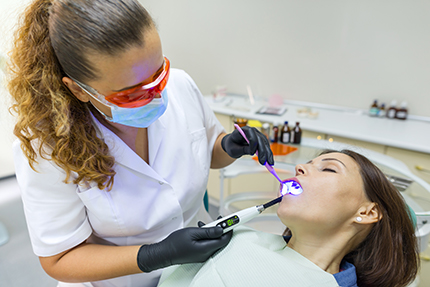
Selecting the appropriate level of sedation begins with a conversation. We consider the length and complexity of the procedure, the patient’s anxiety level, relevant medical history, and practical factors such as whether the patient can be accompanied home after treatment. From there, we recommend the least invasive option that will reliably achieve the desired level of comfort.
Options range from mild inhalation sedation to deeper IV techniques. Nitrous oxide (laughing gas) provides rapid, short-term relief of nervousness with effects that wear off quickly after the mask is removed. Oral sedatives are taken before arrival and produce a stronger, longer-lasting calming effect while still allowing patients to respond to instructions. IV sedation offers precise control and is suited to longer or more complex procedures where deeper relaxation is helpful.
Our priority is to match the method to the patient’s needs while preserving safety. We explain the pros and cons of each approach, answer questions in plain language, and coordinate the plan so everyone involved — including the patient’s escort when required — knows what to expect.
Preparation varies by the type of sedation. For inhalation sedation, minimal preparation is usually needed and patients can often resume normal activities soon after. Oral and IV sedation typically require additional instructions, such as arriving with an empty stomach and arranging for a responsible adult to drive the patient home. We provide clear, written guidance so there is no uncertainty before your appointment.
During the procedure, patients are monitored continuously. Even with mild sedation, our team watches vital signs and adjusts medication levels as needed to maintain comfort and stability. For methods that produce deeper relaxation, we increase monitoring to ensure breathing and cardiovascular function remain within safe limits.
After treatment, recovery protocols depend on the sedation used. Some patients can leave shortly after the appointment with minimal drowsiness; others require a longer observation period and a companion to assist with travel and early recovery. We make follow-up recommendations to support a safe, comfortable return to normal activities.
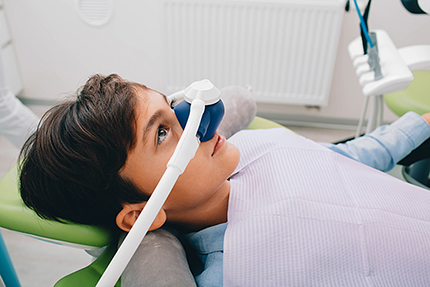
Safety is the foundation of any sedation program. Our office follows evidence-based protocols for dosing, patient monitoring, and emergency preparedness. That includes pre-treatment screening to identify conditions that affect sedation choices, continuous observation during procedures, and having trained personnel and appropriate equipment on hand to respond quickly to any unexpected situation.
All sedation is delivered under the supervision of clinicians trained in dental sedation, and we adhere to recommended guidelines for monitoring vital signs, oxygen saturation, and patient responsiveness. When IV sedation is used, we take extra precautions such as fasting instructions and more intensive post-procedure observation to ensure patient safety during recovery.
Open communication is part of our safety approach. We ensure patients and their escorts understand pre- and post-care instructions, potential side effects, and when to seek follow-up care. By combining careful assessment, clear communication, and rigorous monitoring, we aim to make sedation a reliable tool for delivering high-quality dental care.
If anxiety or physical challenges have prevented you from getting dental care, sedation offers a pathway to the treatment you need. Our team will review your health history, discuss available options in straightforward terms, and recommend a plan that balances comfort with safety. We focus on practical guidance that minimizes surprises on the day of your appointment.
When patients understand the process, the apprehension that surrounds dental visits typically eases. We take time to answer questions, explain each step, and coordinate logistics such as escort requirements so the experience is as stress-free as possible.
Complete Dental Care of Fishers is committed to helping patients receive care without fear. If sedation might help you complete treatment, reach out to schedule a consultation — we’ll explain your options and help you make an informed choice about your oral health.
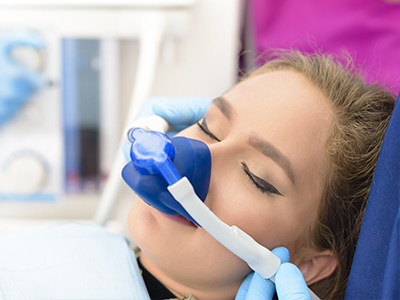
Sedation dentistry offers patients with general anxiety or fears about a dental procedure the opportunity to have a more comfortable and stress-free experience. By utilizing safe and controlled sedation techniques, the patient is eased into a state of complete relaxation before the procedure. This approach eliminates discomfort, pain, and preoperative anxiety, and typically makes patients feel more at ease post-operatively, as they have little or no memory of the actual moment-to-moment procedure.
Local anesthesia involves an injection directly into or close to the area where a procedure is being performed. While it eliminates any sensation of pain in the targeted area, it does not affect your state of mind or level of anxiety. When a patient receives sedation, additional medications to ease anxiety and promote relaxation are employed in advance of local anesthesia. In this way, both the stress and discomfort associated with a procedure are eliminated. Sedation can be administered in a variety of forms based upon patient needs and the recommendations of the dentist or dental anesthesiologist.
Choosing the most appropriate method of sedation for a procedure depends on a variety of factors such as a patient's medical history and their level of anxiety. Dental sedation can come in the form of nitrous oxide sedation, oral conscious sedation, and IV sedation. Certain patients receiving comprehensive treatment or undergoing a complex surgical procedure may require general anesthesia in a hospital setting.
Nitrous oxide, or "laughing gas," is a mild sedative, which is inhaled through a small mask over the nose. A standard in dental sedation for decades, the effects of nitrous oxide are almost immediate and wear off quickly once your procedure is completed.
Oral sedation involves the prescription of an oral medication prior to your appointment. Taken at the recommended time before your visit, oral sedation allows you to feel fully relaxed by the time you're ready for your procedure. With oral sedation, it's necessary to plan on having an escort to and from your dentist's office.
IV Sedation is administered intravenously, or directly into a vein. It is typically indicated when a deeper state of sedation is required. Your dentist will provide you with specific instructions before your visit, and require that you have an escort for the trip home from your appointment.
Sedation dentistry uses medications to help patients relax during dental procedures while still allowing the dentist to provide safe, effective care. It is intended for people who experience anxiety, a strong gag reflex, difficulty sitting still, or need extensive dental work completed in fewer appointments. Sedation can reduce stress and make complex or routine treatments more comfortable without altering the dentist’s ability to monitor and respond to the patient.
Depending on the method chosen, sedation ranges from a mild sense of relaxation to a deeper state where the patient has limited memory of the procedure. All sedation techniques provided in the dental office are selected and monitored based on the patient’s medical history and the planned treatment. The goal is to create a calm, controlled experience so patients can get the care they need with minimal fear or discomfort.
The most common forms of conscious sedation in dental practices include inhalation sedation with nitrous oxide, oral sedation using prescribed medications, and intravenous (IV) sedation for cases that require a deeper level of relaxation. Nitrous oxide acts quickly and wears off rapidly after the gas is stopped, making it useful for mild to moderate anxiety and for reducing gag reflexes. Oral sedation involves a pill taken before the appointment and produces a stronger calming effect; patients typically need an escort to and from the office.
IV sedation is administered directly into a vein and allows the clinician to precisely adjust the level of sedation during treatment, making it appropriate for lengthy or complex procedures. Unlike general anesthesia, these office-based techniques generally preserve the ability to respond to verbal cues and maintain normal breathing. The dental team will recommend the most appropriate option based on health history, anxiety level, and the extent of treatment.
Candidacy for dental sedation is determined by a combination of factors including your medical history, current medications, level of anxiety, and the type and length of the dental procedure. The dental team will review your health conditions, allergies, and any medications you take to identify risks and select the safest sedation method. Open communication about previous reactions to medications, sleep apnea, heart or lung conditions, and other medical issues is essential for a proper assessment.
Patients who have significant dental fear, an exaggerated gag reflex, difficulty sitting through care, or the need for extensive restorative work are often good candidates for sedation. Children, older adults, and patients with certain disabilities may also benefit when sedation is carefully planned and supervised. The dentist will explain the recommended approach, expected effects, and any specific instructions you should follow before and after the appointment.
Thiscautionarynote should notappear>Dental sedation is safe when administered and monitored by trained dental professionals following established protocols and when patients’ medical histories are carefully evaluated. Vital signs are monitored before, during, and after sedation, and staff are prepared to manage any uncommon complications that may arise. The level of sedation chosen matches the procedure and the patient’s health profile to minimize risk while maximizing comfort.
Before recommending sedation, the dental team will discuss potential side effects, interactions with medications, and any conditions that may increase risk. Clear pre-appointment instructions, proper patient selection, and post-procedure monitoring are key elements that contribute to safe outcomes. If you have concerns about safety, ask the dentist to explain how they supervise sedation and what emergency measures are in place.
Preparation varies by the type of sedation, but common steps include providing a complete medical history, confirming current medications, and following fasting instructions for deeper sedation like IV. For oral sedation and IV sedation, patients are often instructed to avoid eating or drinking for a specified period beforehand to reduce the risk of nausea and aspiration. It is also important to arrange for a responsible adult to drive you home and remain with you after the appointment if required by the dentist.
Wear comfortable clothing and avoid wearing strong perfumes or jewelry on the day of the procedure, and bring a list of current medications and any relevant medical records. Discuss any questions you have about what to expect so you feel confident and informed before the appointment. Following the dentist’s pre-appointment guidance helps ensure a smoother, safer experience and a more predictable recovery.
Recovery depends on the type and depth of sedation used; nitrous oxide typically wears off within minutes so patients can resume normal activities soon after the visit, while oral and IV sedation require more recovery time and supervision. After deeper sedation, patients may feel groggy, have slowed reflexes, or experience mild nausea, and they should avoid driving, operating machinery, or making important decisions for the remainder of the day. Your dentist will provide specific post-procedure instructions regarding rest, diet, activity, and medication management.
It is normal to require a quiet environment and limited activity immediately following sedation, and the supervising clinician will confirm you are stable before releasing you into a caregiver’s control. If you experience unexpected symptoms such as prolonged dizziness, severe nausea, difficulty breathing, or other concerning signs, contact the dental office or seek medical attention right away. Proper follow-up and adherence to aftercare instructions promote a safe and comfortable recovery.
Nitrous oxide, commonly called laughing gas, is an inhaled sedative that produces mild to moderate relaxation and wears off rapidly when the gas is discontinued. It is administered through a small mask and combined with oxygen, offering quick onset and fast recovery, which often allows patients to return to normal activities shortly after the appointment. Nitrous oxide is ideal for patients with mild anxiety or those who need help controlling a strong gag reflex during treatment.
Oral sedation involves taking a prescribed medication before the visit and results in a deeper level of relaxation, often with limited memory of the procedure; it requires an escort for transportation home. IV sedation provides the most precise control and can achieve deeper sedation levels when necessary, but also requires stricter pre-appointment preparation and post-procedure monitoring. The dentist will explain the advantages and limitations of each option to help you choose the safest, most comfortable approach for your needs.
Yes, many children and patients with special needs can receive appropriate forms of dental sedation when it is indicated and carefully planned by the dental team. For pediatric patients, the choice of sedation depends on age, weight, medical history, and the nature of the dental procedure; the clinician will follow pediatric dosing guidelines and specific safety protocols. For patients with developmental disabilities or cognitive impairments, sedation can enable the delivery of necessary care that would otherwise be difficult or unsafe to perform.
When treating these populations, the dental team coordinates with caregivers and, when appropriate, other healthcare providers to assess risks and establish a safe plan. Extra time may be scheduled for pre-appointment planning, and monitoring will be tailored to the patient’s needs. Ensuring a calm environment and clear communication helps achieve successful, compassionate care.
Sedation and pain control are complementary: sedation helps reduce anxiety and awareness, while local anesthesia prevents pain in the specific area being treated. The dentist typically administers a local anesthetic to numb the treatment site so you do not feel pain during the procedure, regardless of the sedation level. Sedation may make the experience feel shorter and less distressing, but effective pain control relies on the combination of sedation and proper numbing techniques.
If you have sensitivity or have experienced inadequate pain control in the past, tell the dentist so they can adjust anesthetic techniques or dosing to ensure comfort. The dental team will check that the treatment area is numb before starting and will monitor your comfort throughout the appointment. Communicate any unusual sensations during recovery so the clinician can address them promptly.
Choosing a practice for sedation dentistry starts with confirming that the dentist and staff are trained and experienced in the specific sedation methods you are considering and that they follow recognized safety protocols. Ask about their sedation training, how they monitor patients during treatment, what emergency equipment and medications are available, and how they screen patients for medical risks. A practice that explains the process clearly and provides pre- and post-procedure instructions demonstrates a commitment to safety and patient-centered care.
Look for a practice that creates a calm, supportive environment and encourages open communication about your health and concerns; for example, Complete Dental Care of Fishers emphasizes patient comfort and individualized planning for sedation. Schedule a consultation to discuss your anxiety, medical history, and treatment goals so you can evaluate how comfortable you feel with the team and their approach. A thoughtful, well-documented plan tailored to your needs is the best indicator of quality sedation care.
Email: